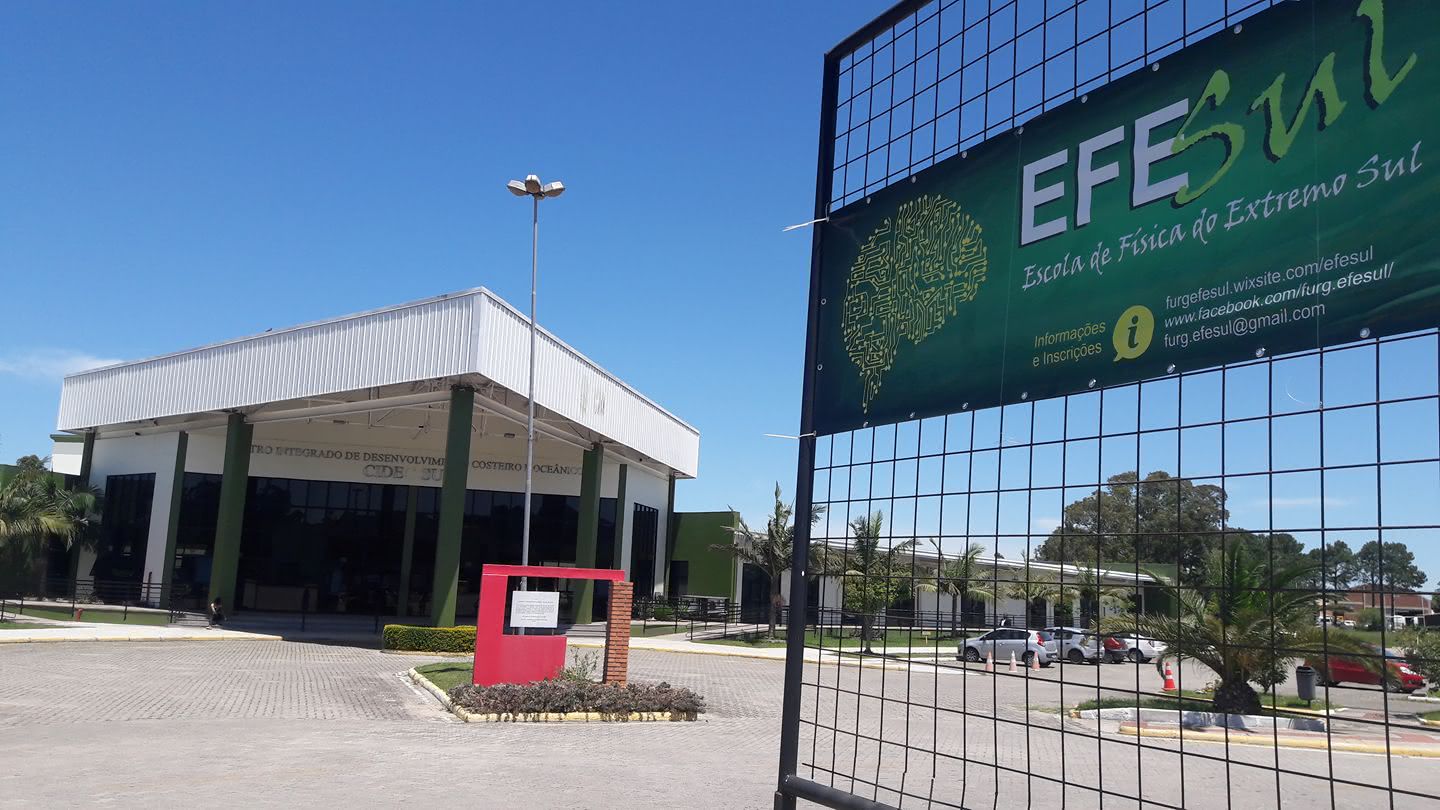
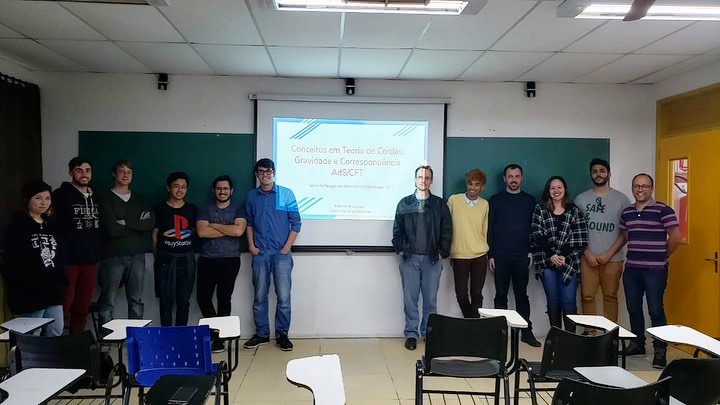
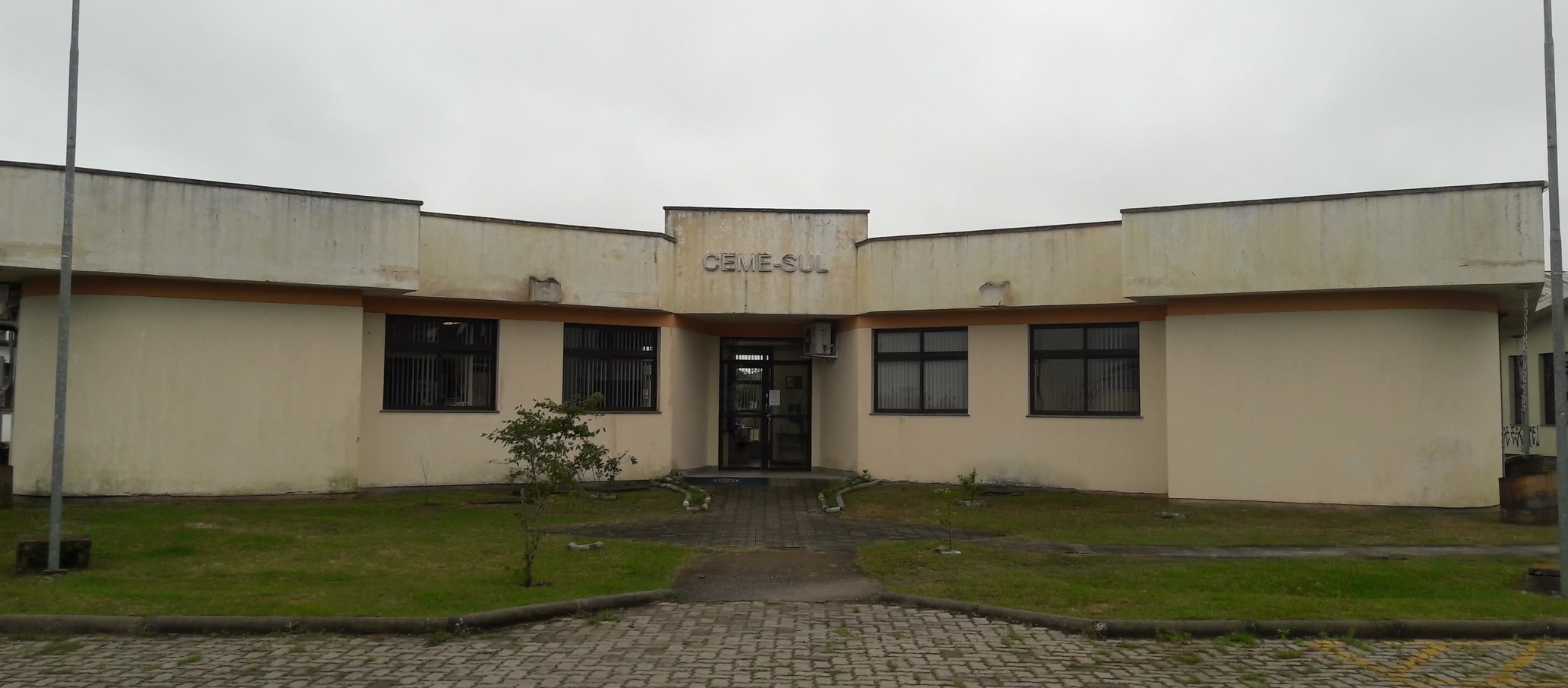
The Master's Degree in Physics at the Federal University of Rio Grande is a program that currently has 13 researchers who develop research activities in the areas of Astrophysics, Condensed Matter Physics, Nuclear Physics, General Relativity, Gravity, and Particle Physics. These researchers maintain collaboration with researchers from other national and international institutions. It has a modern computer infrastructure consisting of computer labs, networked living rooms, and classrooms with multimedia equipment.
The program aims to improve scientific and professional undergraduate students in Physics programs and related areas to work in different branches of Physics and fields interrelated with Physics. It also objectives to train a professional with skills of continuous learning, knowledge creation and transmission to the largest number of individuals of different levels of training.
The training is based on two pillars: solid knowledge in basic physics obtained in the program subjects and in the appreciation of research activities.
The graduate program encourages the participation of its master's students in events in Brazil as well as abroad. There are fundings to cover full costs.
On the Physics graduate website, you can find the necessary information to apply for the program, along with everything related to the research and possible mentors.
Coordination
Coordinator: Prof. Dinalva Aires de Sales, PhD.
Assistant Coordinator: Prof. Matheus Jatkoske Lazo, PhD.